Digital Sunset: The Single Evening Habit That Fixes Your Sleep and Calms Your Overstimulated Brain

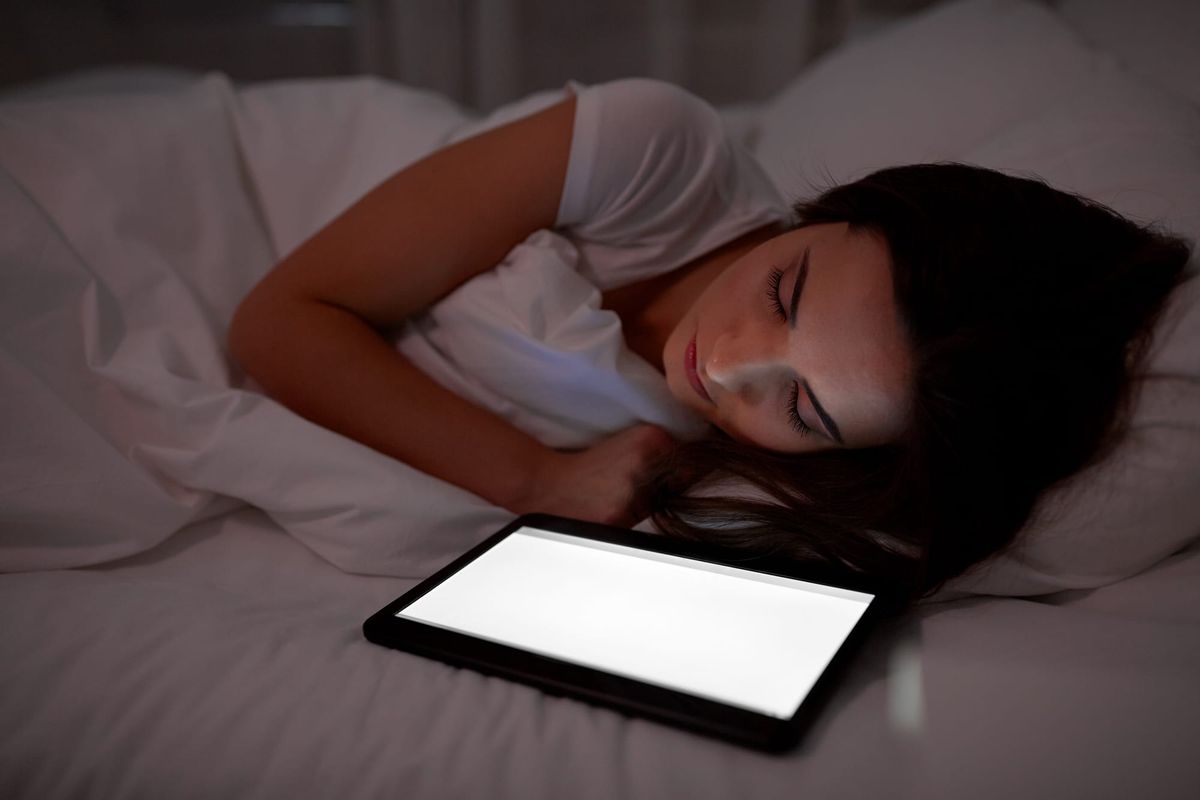
Imagine driving a car at 90 mph down the highway and suddenly, without warning, pulling the emergency brake. The engine screeches, tires burn, and your entire system goes into shock. This is exactly what you do to your brain every single night when you browse social media, check work emails, or indulge in late-night doomscrolling right before turning off the bedroom lights.
You expect your mind—which just a second ago was being bombarded by bright light and high-stimulus notifications—to instantly switch into deep, restorative sleep.
In 2026, we know that chronic fatigue rarely stems from simply not sleeping enough hours. More often, it's because our nervous system is kept in a state of constant evening alertness. The solution that is revolutionizing sleep hygiene is the Digital Sunset.
1. The Neurobiology of Light: Fooling the Pineal Gland
Deep inside your brain sits a tiny, pinecone-shaped gland called the pineal gland. Its primary job in the evening is to produce melatonin—the hormone that signals every cell in your body that it is time to repair, recover, and go to sleep.
However, the pineal gland is incredibly sensitive to the short-wavelength blue light emitted by smartphones, laptops, and televisions. To your brain, blue light is identical to the midday sun.
- The Impact: When you look at a screen while tucked into bed, your melatonin production drops to near zero. Your brain truly believes it is the middle of the day, so it blocks your entry into deep NREM (Non-Rapid Eye Movement) sleep, which is the exact phase responsible for physical repair and immune function. You can sleep for 8 hours, but you will still wake up feeling "chemically hungover."
2. What Exactly is a "Digital Sunset"?
You do not need to throw away your technology and move into a cave. The rule is simple: 60 to 90 minutes before your planned bedtime, you initiate an artificial, digital twilight in your home.
- Step 1: Kill the Notifications. Turn your phone onto "Do Not Disturb" mode or move it to another room. No email, post, or message is important enough to ruin your biological recovery.
- Step 2: Dim the Overhead Lights. Swap harsh, white overhead ceiling lights for the warm, diffused glow of a bedside lamp or a candle. This is the biological cue your body needs to understand the day is ending.
- Step 3: Swap Your Entertainment. Replace screen scrolling with analog activities: read a physical book, talk with your partner, do some light stretching, or listen to a calming playlist.
A Pro’s Quick Tip: The "1990s Alarm Clock" Rule
The single biggest obstacle to maintaining this habit is that your phone probably doubles as your alarm clock. Because of this, it sits on your nightstand, constantly tempting you to check "just one last thing" before sleep, and immediately pulling you into stress the moment you wake up.
The Fix: Buy a traditional, analog battery-powered alarm clock, and leave your phone to "sleep" in the kitchen or hallway overnight.
By removing the phone from arm's reach in the bedroom, you eliminate the friction of willpower. You will spend your first morning minutes slowly waking up rather than absorbing stressful global news, programming your brain for significantly lower anxiety levels throughout the entire day.
Your Digital Sunset Shopping List:
- An Analog Alarm Clock: (So your phone can safely spend the night in another room).
- Warm-toned LED Bulbs (under 2700K) or Smart Lighting: (To automatically shift your home's lighting to an amber hue after 8:00 PM).
- A Captivating Paperback Book: (The greatest, most reliable natural sleep aid known to humanity).
- Caffeine-Free Herbal Tea: (Chamomile, valerian root, or lavender to anchor your new evening ritual).
- Blue-Light Blocking Glasses: (If you absolutely must work late on a computer, consider these your nervous system's life jacket).
Conclusion: Reclaim Your Evenings
A digital sunset isn't a restriction—it is a luxury you give to yourself. It is a dedicated boundary where you disconnect from the demands of the outside world and allow your nervous system to make a safe, gentle landing. Implement this habit for just one week, and you’ll find that your sleep quality, morning mental sharpness, and overall daily vitality reach levels you haven't felt in years.