Inverted Lighting: The Circadian Habit to Reset Your Energy and Mood

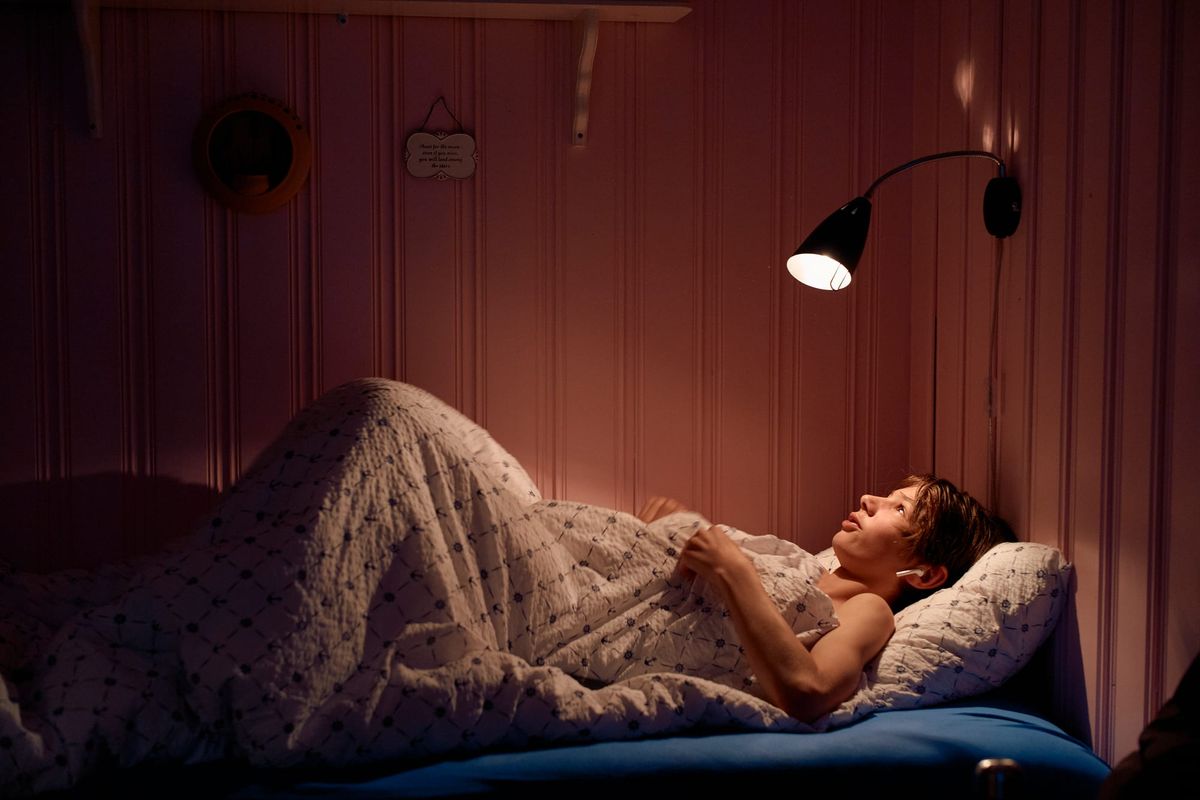
If you wake up feeling groggy, reach for a massive cup of coffee just to feel human, and then struggle to fall asleep at night despite feeling exhausted, your biological clock is broken.
Inside your brain sits a tiny cluster of cells called the Suprachiasmatic Nucleus (SCN). This is your master circadian clock. It controls your body temperature, your metabolism, your focus, and the precise timing of your hormone releases.
Your master clock cannot see the outside world. It relies entirely on one single data input to know what time it is: Light hitting your eyes.
The problem with modern life is that we live in a state of constant, indoor lighting monotony. We wake up under dim indoor lights, spend the day under artificial office fluorescent bulbs, and stare at bright screens late into the evening.
To your brain, it feels like an endless, confusing twilight. The solution is Inverted Lighting—a simple daily habit where you intentionally maximize bright light in the morning and drastically minimize it at night to anchor your biology.
1. The Morning Anchor: Flipping the Cortisol Switch
The habit of Inverted Lighting begins within 30 minutes of waking up. Your goal is to step outside and get direct, un-shielded sunlight into your eyes for 10 to 15 minutes.
- The Science: When early morning sunlight hits specific receptors in your eyes called intrinsically photosensitive retinal ganglion cells (ipRGCs), it sends a direct electrical signal to your master clock. This instantly triggers a healthy, natural spike in Cortisol—the hormone responsible for waking you up, sharpening your focus, and boosting your metabolism.
- The Secret: This morning light exposure also starts an internal countdown timer. By anchoring your daytime clock with bright light early on, your brain automatically knows exactly when to start releasing Melatonin (the sleep hormone) roughly 16 hours later.
2. The Window Trap: Why Going Outside Matters
Many people think that sitting by a bright kitchen window or driving to work looking through a windshield counts as morning light exposure. It doesn’t.
Glass filters out the specific blue-green wavelengths of light required to stimulate your circadian receptors. Even on a cloudy day, being outdoors provides anywhere from 10,000 to 50,000 lux (light intensity). Inside your house, even under bright lights, you are lucky to get 500 lux. Sunglasses also block this signal, so leave them on your head during this brief morning ritual.
3. Flipping the Switch: Evening Inversion
Once the sun sets, the "inverted" part of the habit begins. Your brain is now exceptionally sensitive to light. If you turn on bright overhead bathroom or kitchen lights at 9:00 PM, you instantly crush your evening melatonin production.
- The Action: At dusk, turn off all overhead lighting. Flip your environment to low-level, warm lighting. Use floor lamps, candles, or amber-tinted bulbs placed low to the ground.
- The Logic: Evolutionary speaking, the sun is never overhead at night—fire is on the ground. Low-placed, warm light keeps your brain in a safe, winding-down state, ensuring you transition effortlessly into deep, restful sleep.
A Pro’s Quick Tip: The "Cloudy Day" Extension
The number one excuse for skipping this habit is bad weather. People say, "It’s raining and grey outside, so there’s no point." The truth is, on a cloudy or overcast day, you actually need this habit more than on a sunny day. Because the clouds filter the light, the lux levels drop. On a bright, sunny day, 5 to 10 minutes of outdoor light is plenty. On a heavily overcast day, your circadian receptors need a longer signal to wake up properly.
The Fix: Simply extend your morning outdoor time to 20 or 30 minutes when it's cloudy. Use this time to go for a brisk walk or drink your morning tea on the porch. Your sleep tonight will thank you for it.
Your Inverted Lighting Checklist:
- Step Outside Within 30 Mins of Waking: (No sunglasses, no looking through windows—just pure, natural sky light).
- Match Time to Weather: (5–10 mins for clear sun; 15–20 mins for clouds; 30 mins for heavy rain/overcast).
- Dim the Overheads at 8:00 PM: (Switch entirely to low-placed lamps with warm, amber bulbs).
- Use Blue-Light Blockers After Dark: (If you must look at a TV or computer screen, wear dedicated amber lenses).
- Keep the Bedroom Jet-Black: (Use blackout curtains or a high-quality eye mask to protect your sleep environment from streetlights).
Conclusion: Reclaim Your Natural Rhythm
Your body is a deeply rhythmic biological machine that craves contrast. By feeding your eyes brilliant, natural light in the morning and gentle, warm darkness in the evening, you stop fighting your biology. Inverted lighting is a completely free, effortless habit that works like a master reset key—giving you boundless, jitter-free energy during the day and deep, effortless sleep at night.