Smart Carbs: How to Eat Bread and Pasta Without the Metabolic Guilt

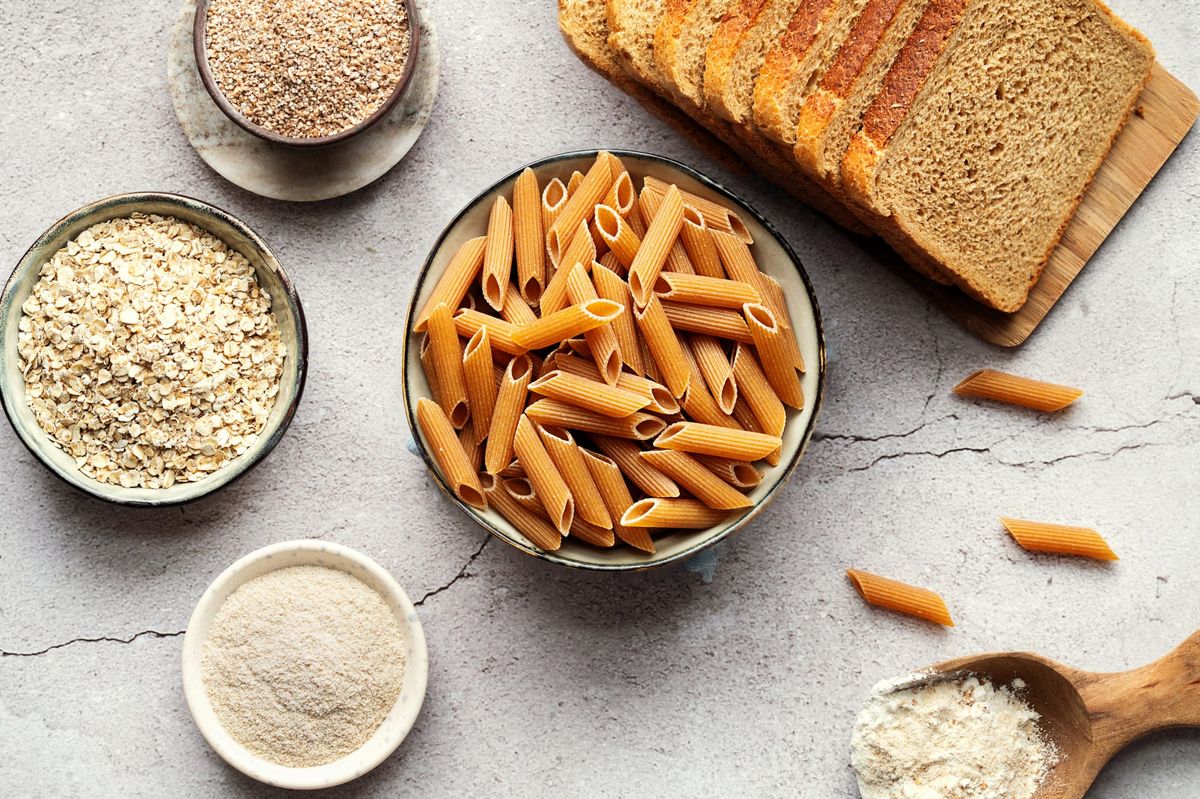
For years, carbohydrates have been painted as the ultimate villain in the health world. We’ve been told that if we want to look lean, stay sharp, and protect our metabolism, we have to live on a strict diet of cauliflower rice, lettuce wraps, and zero-carb alternatives.
But let’s be honest: nobody wants to live in a world without real pasta, sourdough bread, or a warm bowl of rice.
The good news? In 2026, metabolic science has moved past the "carbs are bad" myth. It turns out you don’t need to banish your favorite comfort foods. You just need to learn how to change their chemical structure and combine them properly. By using a few simple molecular tricks, you can turn ordinary carbohydrates into "Smart Carbs" that give you steady energy, keep you full, and support your metabolism.
1. The "Cooling" Alchemy (The Resistant Starch Hack)
The biggest breakthrough in carb science involves temperature. When you cook starches like white potatoes, pasta, or rice and let them cool completely in the refrigerator overnight, their internal structure completely changes.
The heat-activated sugars turn into a type of fiber called Resistant Starch.
- The Magic: Your body cannot easily break down resistant starch into glucose. This means that eating leftover pasta or a cold potato salad results in up to a 40% lower blood sugar spike compared to eating them hot right out of the pot.
- The Bonus: Even if you reheat them the next day, the structure remains "smart," making it the ultimate tool for steady, crash-free energy.
2. Give Your Carbs a "Security Guard"
When you eat a piece of white bread or a bowl of plain pasta by itself, it digests almost instantly, flooding your bloodstream with sugar.
To stop this, you need to introduce a "Security Guard." Always pair your starches with Healthy Fats, Fiber, or Protein.
- Instead of: A bowl of pasta with plain tomato sauce.
- Try: Pasta with tomato sauce, a heavy drizzle of extra virgin olive oil (Fat), and a handful of lean beef or chicken (Protein).
The fat and protein act like a speed bump in your stomach, slowing down digestion so the glucose trickles into your bloodstream instead of hitting it like a tidal wave.
3. The Sourdough Secret
If you love bread, switch to authentic, slow-fermented Sourdough. The wild yeast and bacteria used during the fermentation process literally "eat" much of the sugar and gluten inside the flour before it ever reaches your plate. This natural process lowers the bread’s glycemic index, making it incredibly gentle on your digestion and blood sugar levels.
A Pro’s Quick Tip: The "Al Dente" Rule
Next time you cook pasta or rice, pull it off the stove just a minute or two early so it still has a slight "bite" to it—what Italians call al dente.
When you overcook pasta until it’s soft and mushy, you are essentially pre-digesting the starches, making it incredibly easy for your body to convert into rapid blood sugar. Keeping your starches slightly firm forces your digestive system to work harder to break them down, giving you a much flatter, steadier energy curve.
Your Smart Carbs Shopping List:
- Authentic Sourdough Bread: (Look for traditional bakeries that use just flour, water, and salt).
- Basmati or Jasmine Rice: (Perfect for cooking, cooling, and making gut-friendly fried rice the next day).
- Chickpea or Lentil Pasta: (An amazing pantry staple that is naturally packed with fiber and protein).
- Sweet Potatoes: (Bake them, cool them, and slice them into salads for a steady-burn carb source).
- Extra Virgin Olive Oil: (The ultimate healthy fat to "wrap" around your carbohydrate molecules).
Conclusion: Eat the Bread, Keep the Health
Living a healthy life isn't about restriction; it’s about strategy. You don't have to choose between your love for Italian food and a healthy metabolism. By cooling your starches, cooking them al dente, and pairing them with high-quality fats and proteins, you can make carbohydrates work for you, not against you.