The "Anti-Nutrient" Myth: Why You Don't Need to Avoid Lectins, Phytates, and Oxalates

If you have spent any time browsing fitness or nutrition channels recently, you have likely run into the concept of Anti-Nutrients.
Self-proclaimed health gurus claim that compounds like lectins (found in beans and tomatoes), phytates (found in nuts and grains), and oxalates (found in spinach and almonds) are toxic defense mechanisms designed by plants to destroy your gut lining, steal your minerals, and cause systemic inflammation.
The proposed solution? Eliminate plants completely, or restrict your diet to a tiny handful of "safe" foods.
But this fear-mongering relies on highly flawed, isolated laboratory data. When we look at real human biology and clinical outcomes, the anti-nutrient narrative completely falls apart. Not only are these compounds harmless when prepared correctly, but in low doses, they actually act as powerful health-promoting agents that make your body stronger.
1. The Kitchen Counter-Attack: Traditional Preparation
The biggest flaw in the anti-nutrient scare tactic is the assumption that humans eat plants raw and un-prepared. Nobody eats raw kidney beans or dry, uncooked lentils.
For thousands of years, human cultures across the globe developed simple, intuitive kitchen habits that naturally neutralized these plant defense mechanisms before they ever touched a dinner plate.
- Lectins: Lectins are highly water-soluble. The simple acts of soaking beans overnight and boiling them completely breaks down and deactivates these proteins. Eating fully cooked beans poses zero lectin risk to your gut.
- Phytates: Phytates can bind to minerals like iron and zinc, slightly reducing their absorption. However, sprouting, fermenting (like traditional sourdough bread), or roasting grains and nuts triggers an enzyme called phytase, which rapidly dismantles the phytate molecules and unlocks the minerals for your body to use.
2. Hormesis: The Stresses That Make You Stronger
What the internet gets wrong about anti-nutrients is a biological concept called Hormesis. Hormesis is the process where a tiny, manageable amount of stress triggers a massive, beneficial adaptation inside your cells. Weightlifting is a form of hormesis—you damage the muscle so it grows back stronger.
Low levels of phytates and polyphenols work exactly the same way. When you consume them, they cause a very mild chemical stress in your digestive tract. Your body responds by mounting a massive antioxidant defense, upregulating cellular detoxification pathways, lowering systemic inflammation, and even training your immune system to be more resilient against external pathogens.
3. The Longevity Paradox
If anti-nutrients were truly toxic, the healthiest people on Earth would be avoiding them. But epidemiological data shows the exact opposite.
When we look at the Blue Zones—the regions of the world with the highest concentration of centenarians (people who live past 100 with zero chronic disease)—their diets are not meat-exclusive. In fact, their primary dietary staple is legumes (beans and lentils), packed alongside whole grains, nuts, and leafy greens. These cultures have exceptionally low rates of colon cancer and heart disease, largely because the fiber and antioxidants in these "anti-nutrient" foods feed a diverse, thriving gut microbiome.
A Pro’s Quick Tip: The "Oxalate-Boil" Rule for Greens
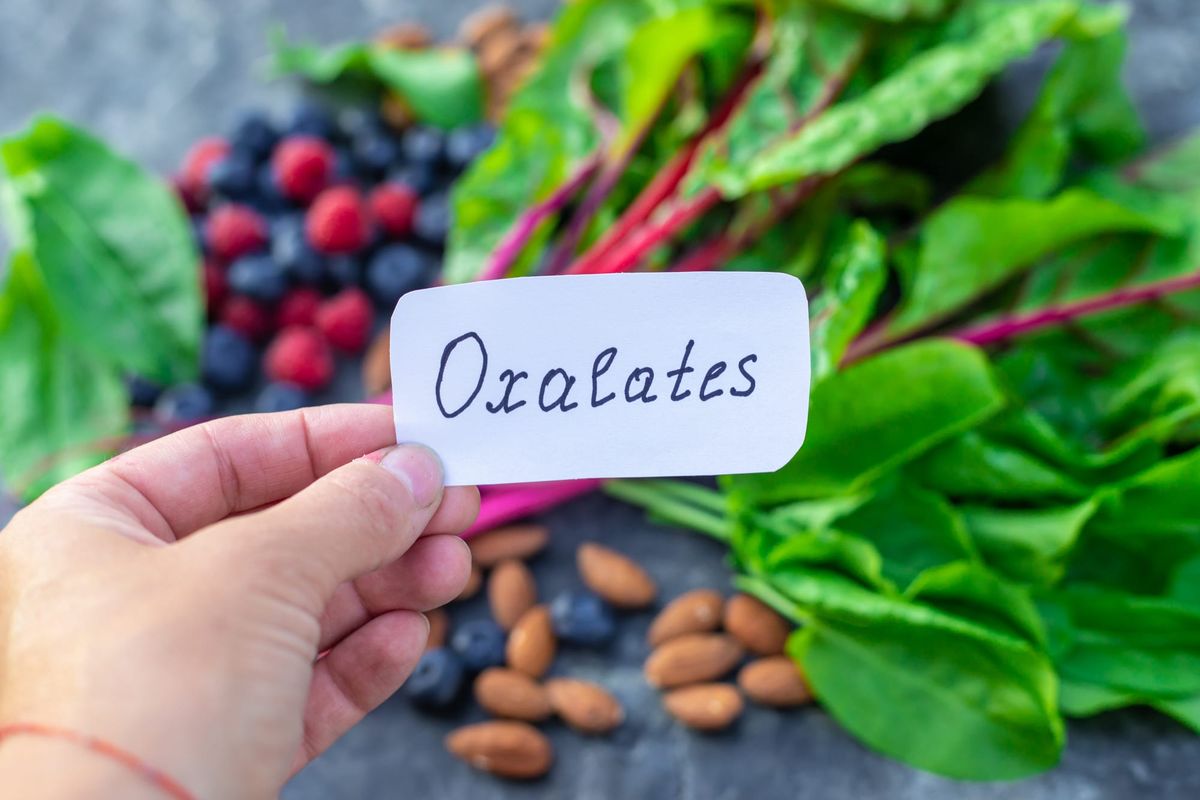
If there is one anti-nutrient that deserves a tiny bit of strategic attention, it is Oxalates, particularly for individuals prone to kidney stones. Raw spinach and Swiss chard are exceptionally high in oxalates, which can bind with calcium.
The Fix: Don’t stop eating your greens—just stop blending mountains of raw spinach into your morning smoothies day after day.
Instead, simply blanch or boil your high-oxalate leafy greens for 1 to 2 minutes, and discard the cooking water. Boiling removes up to 80% of the soluble oxalates while preserving the vital vitamins, magnesium, and nitrates. Alternatively, switch your raw smoothie base to low-oxalate greens like kale, romaine lettuce, or arugula, which can be eaten completely raw without a second thought.
Your Common-Sense Plant Preparation Toolkit:
- The Overnight Soak: (Always soak dry beans, lentils, and chickpeas in water for 12–24 hours before cooking to wash away surface lectins).
- Choose Sourdough: (Opt for traditionally fermented sourdough bread; the slow fermentation process breaks down the gluten and phytates, making it incredibly gentle on the stomach).
- Sprout Your Grains: (Look for "sprouted" rice, quinoa, or oats at the grocery store to maximize mineral absorption).
- Lightly Cook Your Greens: (Steaming or sautéing spinach and chard with a splash of lemon juice minimizes oxalates and boosts iron availability).
- Embrace Variety: (Rotate your foods; a diverse diet ensures you never get an overload of any single plant compound while feeding a resilient gut microbiome).
Conclusion: Reclaim the Joy of Real Food
Nutrition should bring vitality and freedom to your life, not fear and restriction. Plants are not trying to kill you; they are packed with the precise fiber, micronutrients, and hormetic compounds your body needs to build a powerful immune system and a healthy gut. By applying basic, traditional cooking methods, you can completely ignore the internet alarmism, silence your food anxiety, and enjoy a rich, diverse, and deeply nourishing diet that supports long-term health and peak physical performance.