The Mitochondrial Diet: How to Feed Your "Cellular Powerplants" for Unstoppable Energy

If you look at the health industry, most advice revolves around the scale of the macro-world: counting calories, balancing macronutrients, or calculating your daily steps. But when it comes to true, vibrant, all-day stamina, the real battle isn't fought in your gym or on your kitchen scale. It is fought at the microscopic level, deep inside your cells.
If you have ever experienced that frustrating type of exhaustion where you feel tired down to your very bones—even after a full night of sleep—your body is trying to tell you something. It is not a lack of willpower, and it is not just "part of getting older." It is a modern energy crisis known as Mitochondrial Dysfunction.
Inside almost every cell in your body sit tiny, rod-shaped structures called Mitochondria. These are your cellular powerplants. Their primary job is to take the food you eat and the oxygen you breathe and convert them into Adenosine Triphosphate (ATP)—the chemical "currency" that powers everything you do, from blinking your eyes to thinking a complex thought. When your mitochondria are thriving, you feel sharp, resilient, and energized. When they are starved or damaged, your energy levels bottom out, brain fog takes over, and your metabolic health stalls.
Fortunately, we can act like a "grid technician" for our cells. By understanding exactly what these microscopic engines need to run, we can build a diet that turns on the lights across our entire biological system.
1. The Mitochondrial Spark Plug: Coenzyme Q10 (CoQ10)
To generate ATP, your mitochondria have to pass electrons down a microscopic assembly line called the electron transport chain. If that line stalls, energy production plummets and your cells begin to produce "cellular exhaust"—damaging molecules called free radicals.
To keep the line moving, your powerplants rely heavily on a nutrient called Coenzyme Q10 (CoQ10). Think of CoQ10 as the grease on the gears of your energy assembly line.
- The Food Fix: While your body can produce some CoQ10, our natural production declines steadily with age or under periods of high stress. The richest dietary sources of CoQ10 are found in foods that require a lot of energy to function themselves—namely, animal organ meats and cold-water fish.
- How to eat it: If you aren't a fan of beef liver or heart, your best bet is regular consumption of oily fish like sardines, mackerel, and wild-caught salmon. A simple 100-gram serving of fresh sardines delivers a highly bioavailable dose of natural CoQ10 packaged alongside healthy fats that maximize its absorption.
2. The Fuel Delivery Shuttle: Acetyl-L-Carnitine (ALCAR)
Mitochondria are incredibly picky about what kind of fuel they burn. While they can burn glucose (sugar) for a quick burst of energy, their preferred, long-burning fuel source is fatty acids. However, fatty acids are large molecules that cannot cross the protective inner membrane of the mitochondria on their own.
They need a shuttle bus. That shuttle is an amino acid derivative called Acetyl-L-Carnitine.
Without enough carnitine in your system, fats cannot get inside the cellular furnace. Instead of being burned for clean, long-lasting energy, those fats end up circulating in your bloodstream or being stored around your waistline, while your cells remain starved for power.
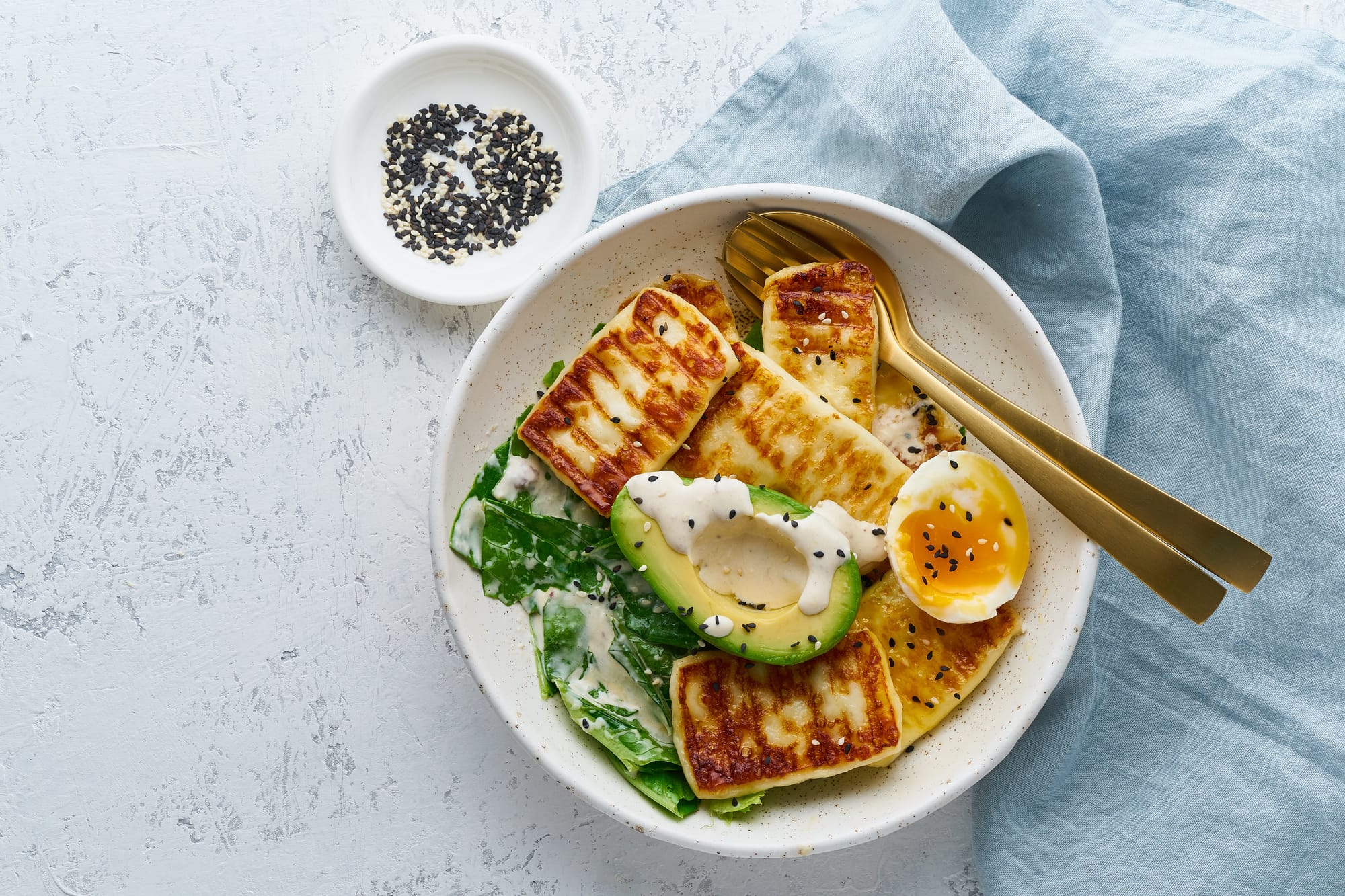
- The Food Fix: High-quality, pasture-raised red meat (like beef or lamb) and poultry are packed with natural carnitine. For plant-based alternatives, while lower in concentration, avocados, asparagus, and fermented whole grains offer excellent foundational support to help your body maintain its transport systems.
3. The Master Shield: Alpha-Lipoic Acid (ALA)
The process of generating massive amounts of cellular energy is messy work. As your mitochondria burn fuel, they naturally create oxidative stress. If your cells don't have enough armor, this stress damages the mitochondria themselves, causing them to degrade and lose efficiency over time.
To prevent this internal wear-and-tear, you need a powerful antioxidant that can step right into the cellular engine room. That shield is Alpha-Lipoic Acid. What makes ALA unique compared to ordinary antioxidants (like Vitamin C) is that it is both water-soluble and fat-soluble. It can travel anywhere in the body, cross the blood-brain barrier, and enter deep inside the mitochondria to neutralize free radicals before they cause damage.
- The Food Fix: You can find robust amounts of ALA in dark, sulfur-rich greens like spinach and broccoli, as well as in organ meats and Brussels sprouts.
The "Mitochondrial Poison" to Avoid: Fructose Flooding
When trying to repair your cellular powerplants, what you remove from your plate is just as vital as what you add. The single biggest threat to your mitochondria is a sudden, massive flood of refined sugar—specifically fructose.
While your liver is forced to process fructose, an excess of it alters hepatic mitochondrial structure and impairs their ability to oxidize fatty acids efficiently. When you drink sugary sodas or heavily processed fruit juices, the sudden rush of fructose essentially chokes the cellular furnace. The mitochondria cannot burn it fast enough, leading to a massive spike in free radicals and forcing the cell to store the excess fuel as fat. To keep your engines running cleanly, skip the liquid sugars and stick to whole, fiber-bound fruits like blueberries or blackberries.
A Pro’s Quick Tip: The "Fast and Freeze" Signaling Trick
Your mitochondria don't just respond to the food you put in your mouth; they respond to the environment around you. You can actually trigger your body to grow brand new, younger mitochondria through a process called mitochondrial biogenesis. Two of the most effective ways to trigger this are Intermittent Fasting and Cold Exposure.
When you give your digestion a break (for example, waiting 12 to 14 hours between dinner and breakfast), or when you take a 30-second cold shower in the morning, your body perceives a temporary, safe stressor. It signals your cells: "Our current powerplants aren't efficient enough for this challenge. We need to build stronger ones."
Combine a consistent overnight fasting window with the nutrient-dense foods listed above, and you will essentially be replacing your old, sluggish cellular engines with a fleet of high-powered, brand-new ones.
Your Mitochondrial Powerhouse Shopping List:
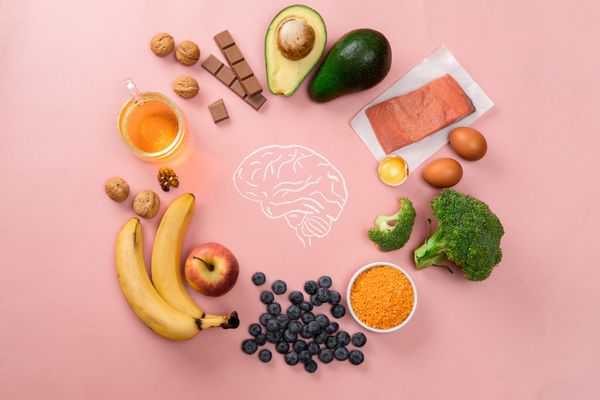
- Wild-Caught Sardines or Mackerel: (Your premier source of CoQ10 and healthy Omega-3 fats to keep the cell membranes flexible).
- Grass-Fed Beef or Lamb: (Loaded with Acetyl-L-Carnitine to transport fats into your cellular furnaces).
- Organic Spinach or Kale: (Rich in Alpha-Lipoic Acid and Magnesium, which is mandatory for activating ATP molecules).
- Avocados: (Provides the clean, monounsaturated fats that mitochondria love to burn for fuel).
- Wild Blueberries: (Packed with anthocyanins that act like a protective shield against cellular oxidative damage).
Conclusion: True Vitality Starts Small
You cannot build a high-energy life on a foundation of exhausted cells. Instead of relying on synthetic caffeine pills or sugary energy drinks that simply whip a tired horse, look down at the microscopic level. By feeding your mitochondria the amino acids, coenzymes, and antioxidants they crave, you are fixing your energy crisis at the absolute source. Eat for your cells today, and your body will reward you with steady, clear, and radiant vitality tomorrow.