The Post-Workout Cold Plunge Mistake: Why Chilling Too Fast is Short-Circuiting Your Muscle Gains

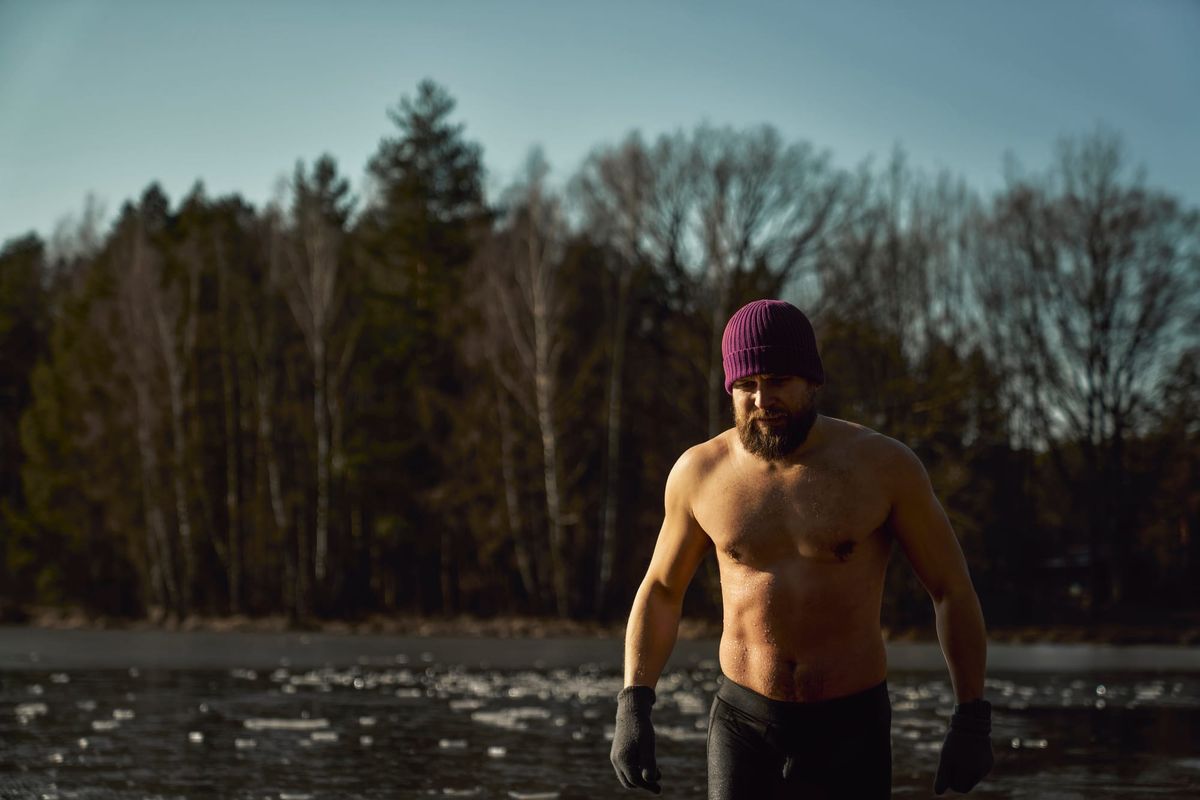
There is no denying that jumping into a pool of 4°C (40°F) water feels incredible. It gives you an instant rush of dopamine, shuts down muscle soreness, and leaves you feeling completely refreshed. For years, athletes jumped into ice baths immediately after training, assuming that because it reduced inflammation, it was speeding up their recovery.
But here is the biological catch that 2026 fitness science has definitively proven: inflammation is not always the enemy. When you lift weights, your primary goal is to create mechanical tension and micro-tears in your muscle fibers. This localized damage triggers a natural, necessary inflammatory cascade. Your body uses this inflammation as a biological homing beacon, signaling your immune system to send satellite cells, growth factors, and protein to the muscle to repair it, making it bigger, stronger, and more resilient.
When you submerge your body in freezing water immediately after lifting, you instantly constrict your blood vessels and freeze that inflammatory signal. You aren’t just stopping the soreness; you are stopping the adaptation.
1. The Destruction of Hypertrophy Pathways
To build muscle (hypertrophy) and strength, your body relies on specific chemical pathways, most notably a protein kinase called mTOR (mammalian target of rapamycin). mTOR is the master switch for muscle protein synthesis.
- The Freeze Effect: Multiple clinical studies have shown that cold water immersion directly after a resistance training session significantly suppresses the activation of mTOR and stalls satellite cell activity for up to 48 hours.
- The Result: Your muscles do not repair themselves to be bigger or stronger; they simply repair to stay the exact same size. You are essentially erasing the metabolic stimulus of the workout you just completed.
2. Blood Flow Shutdown: Locking Out Nutrients
When you train, your muscles are desperate for oxygen-rich blood and amino acids to begin the cellular rebuilding process. Cold water causes extreme vasoconstriction—your blood vessels tighten up and pull all your blood away from your extremities to protect your internal organs.
While this is great for lowering acute swelling after an injury (like a sprained ankle), it starves your healing muscle tissue of the vital nutrients it needs during the critical post-workout anabolic window.
3. When SHOULD You Cold Plunge?
Does this mean your expensive cold plunge tank is useless? Absolutely not. It just means your timing is wrong. Cold therapy is a powerful tool when used strategically:
- The 4-Hour Rule: If your goal is muscle growth or strength, you must wait at least 4 to 6 hours after your workout before jumping into the cold. This allows the initial, crucial wave of natural inflammatory signaling to complete its job.
- The Cardio/Conditioning Exception: If you just finished a long Zone 2 cardio session, a grueling run, or a pure conditioning workout, you can cold plunge immediately. Cold water does not blunt cardiovascular endurance adaptations the way it blunts muscle growth.
- The Competition Strategy: If you are a tournament athlete who needs to perform twice in one day, use the ice bath immediately. In this scenario, immediate pain relief and systemic freshness matter more than long-term muscle adaptation.
A Pro’s Quick Tip: The "Active Recovery" Alternative
If you finish a brutal lifting session and want to kickstart your recovery without killing your gains, swap the ice bath for Contrast Therapy (alternating heat and movement) or a hot sauna.
The Routine: Spend 15 minutes in a hot sauna or take a warm bath. Heat increases blood flow (vasodilation), flushing nutrients into the muscles and accelerating the clearing of waste products without stopping the inflammatory mTOR pathway. Follow this up with 10 minutes of light mobility work or an easy walk to keep the blood moving mechanically. Save the cold plunge for your dedicated rest days or first thing in the morning to wake up your brain.
Your Optimal Post-Workout Recovery Protocol:
- Post-Lifting (0–2 Hours): Focus on a high-protein meal (30–40g) and warm, relaxing environments to keep blood circulating.
- Delay the Freeze: Keep a strict 4-to-6-hour barrier between weightlifting and cold exposure.
- The Rest-Day Plunge: Use your cold plunge on dedicated active recovery days to lower systemic stress, boost mood, and improve central nervous system health.
- Morning Dopamine Boost: Plunge first thing in the morning before your workouts to skyrocket your focus and alertness for the entire day.
- Listen to Your Body: If you are excessively sore, rely on sleep, hydration, and active stretching rather than turning to the ice as a quick fix.
Conclusion: Stop Chasing Numbness, Chase Adaptation
Fitness is about working smarter, not just harder. It is easy to get caught up in the trendy biohacking rituals of elite athletes, but timing is everything. If you are putting in the sweat and discipline to lift heavy weights and build a strong, capable physique, don’t let a poorly timed ice bath freeze your progress. Respect your body's natural inflammatory signals, give your muscles room to breathe and adapt, and save the cold for when your cells actually need it.