How Nutrition Affects Your Mood, Focus, and Energy


Your brain is a metabolic hog. It accounts for only 2% of your body weight but consumes 20% of your total daily energy. If you feed that high-performance engine low-grade "fuel," you shouldn’t be surprised when the "Check Engine" light (in the form of brain fog or anxiety) starts flashing.
1. The Focus Killer: The Glucose Rollercoaster
The fastest way to ruin your productivity is to start your day with a massive glucose spike. When you eat a high-carb, low-fiber breakfast, your blood sugar skyrockets, followed by a massive insulin release that causes a "crash."
- The Result: Your brain perceives this rapid drop in sugar as a life-threatening emergency. It triggers the release of cortisol and adrenaline, leaving you feeling "wired but tired"—anxious, unfocused, and desperate for another snack.
- The 2026 Fix: Aim for Glycemic Stability. By pairing complex carbs with healthy fats and fiber, you ensure a slow, steady drip of glucose to the brain, which is the secret to "Deep Work" focus.
2. Mood Management: The Gut as a "Second Brain"
Did you know that approximately 90–95% of your serotonin (the "feel-good" neurotransmitter) is produced in your gut, not your brain?
Your microbiome—the trillions of bacteria living in your digestive tract—is in constant communication with your brain via the vagus nerve.
- The Inflammation Factor: If your diet is high in ultra-processed oils and refined sugars, it creates chronic low-grade inflammation in the gut. This inflammation sends "danger signals" to the brain, which we experience as low mood, irritability, or even symptoms of depression.
- The Postbiotic Mood-Boost: Fiber-rich foods help bacteria produce butyrate, a short-chain fatty acid that acts as a powerful anti-inflammatory for your neurons.
3. Sustained Energy: Mitochondrial Health
True energy isn't about calories; it’s about ATP production. Inside every brain cell are thousands of mitochondria converting nutrients into cellular energy.
For this process to work, your mitochondria require a specific "cocktail" of micronutrients:
- B-Vitamins: The spark plugs for energy metabolism.
- Magnesium: The "calming" mineral that allows mitochondria to relax and repair.
- Omega-3s (DHA/EPA): These fats make your brain cell membranes "fluid," allowing for faster signal transmission.
The "Brain-Fuel" Cheat Sheet
If you feel... | Your brain likely needs... | Best Food Sources |
Anxious / Wired | Magnesium & L-Theanine | Spinach, Pumpkin Seeds, Green Tea |
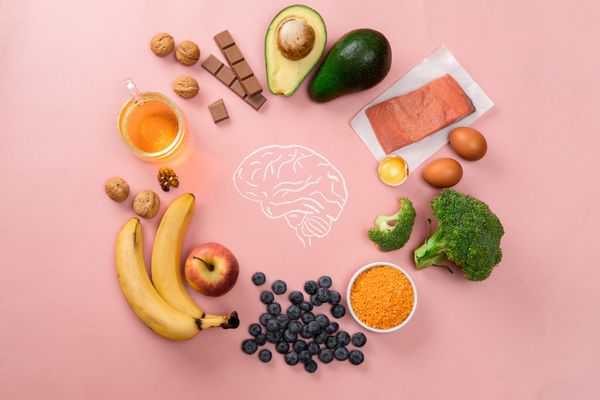
Brain Fog / Slow | Omega-3s & Polyphenols | Walnuts, Salmon, Wild Blueberries |
Irritable / "Hangry" | Stable Glucose & Fiber | Avocado, Legumes, Steel-cut Oats |
Mentally Fatigued | B-Vitamins & CoQ10 | Grass-fed Beef, Eggs, Broccoli |
The "Neuro-Nutrition" Rule: Feed the Gaps
In 2026, we’ve learned that the 3:00 PM "slump" isn't a coffee deficiency—it's a nutrient gap. When you feel your mood dipping or your focus blurring, ask yourself: "Have I fed my brain, or just my appetite?"
Expert Tip: Try a "Brain First" meal tomorrow morning. Instead of toast, try eggs with avocado. Watch how your 11:00 AM focus changes when your brain doesn't have to fight a blood-sugar crash.
The Verdict
Your diet is the most powerful "nootropic" (cognitive enhancer) you have. Every meal is a chemical message to your brain. You can either send a message of stability and resilience or one of chaos and inflammation. The choice is on your fork.
Want to take better care of your health one simple habit at a time? Subscribe to Whole Wellness Wave and get practical tips on nutrition, supplements, fitness, and everyday wellness straight to your inbox.