The Beginner’s Guide to Choosing the Right Supplements

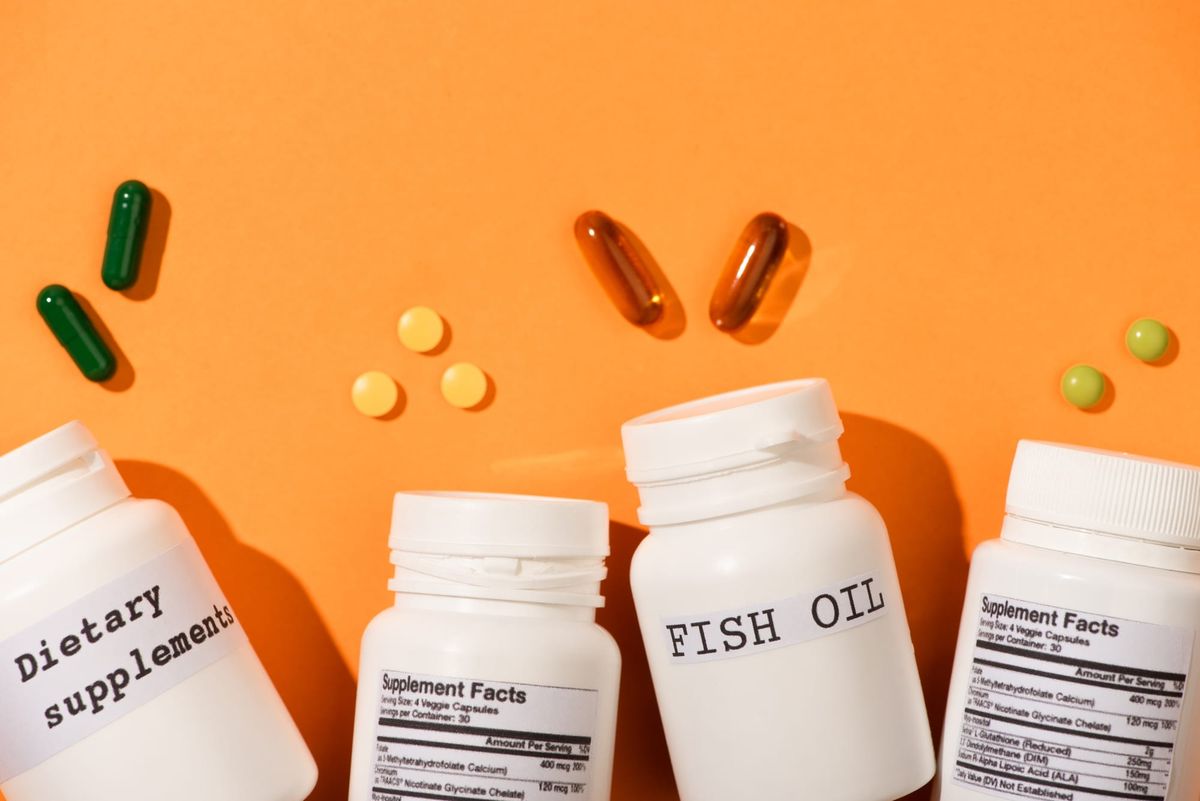
Stop buying "expensive pee" and start building a targeted protocol for biological resilience.
The Supplement Jungle: Why Most People Are Doing It Wrong
Walking into a health store in 2026 can feel like trying to solve a puzzle in a language you don’t speak. Between the TikTok-trending "miracle" powders and the high-tech biohacking sprays, it’s easy to spend $200 a month on products that your body doesn't even recognize.
Let’s be honest: A supplement is meant to supplement a lifestyle, not substitute for it. You cannot out-supplement a diet of ultra-processed food and four hours of sleep. However, even with a perfect lifestyle, modern soil depletion and high-stress environments mean most of us have "nutritional gaps."
The goal isn't to take everything; it’s to take what you need. Here is the 2026 blueprint for navigating the world of supplements with precision.
1. Test, Don't Guess: The Era of Bio-Individuality
The biggest mistake beginners make? Buying what worked for their favorite influencer. In 2026, we know that your DNA, your gut microbiome, and your current blood levels dictate what you need. Taking high-dose Zinc when your levels are already optimal can actually suppress your immune system by depleting your Copper.
- The Baseline: Before buying a single bottle, get a comprehensive blood panel. Look specifically at Vitamin D (25-OH), Ferritin (iron stores), B12, and Magnesium (RBC).
- The 2026 Standard: Many people now use at-home "finger-prick" kits or wearable biosensors that track nutrient flux. If you aren't testing, you are just throwing darts in the dark.
2. The "Big Three": A Foundational Protocol
If you are a healthy individual looking for a "safety net," don't start with 15 different bottles. Start with the pillars that most modern humans are deficient in due to our indoor, high-stress lives.
A. Vitamin D3 + K2
In 2026, we never take D3 alone. As we’ve discussed in our previous deep dives, D3 helps you absorb calcium, but K2 (MK-7) ensures that calcium goes to your bones and not your arteries.
- What to look for: A combined dropper or capsule with at least 2000–5000 IU of D3 and 100mcg of K2.
B. Magnesium (The Right Form)
Magnesium is involved in over 300 biochemical reactions. Most "cheap" supplements use Magnesium Oxide, which has about a 4% absorption rate (it’s mostly a laxative).
- What to look for: Magnesium Glycinate for sleep and anxiety, or Magnesium Malate for daytime energy and muscle recovery.
C. Omega-3 (EPA & DHA)
Unless you are eating fatty cold-water fish three times a week, you likely have a pro-inflammatory Omega-6 to Omega-3 ratio.
- What to look for: Look for "Triglyceride form" (not Ethyl Ester) and check the label for the specific amounts of EPA and DHA, not just the total "Fish Oil" amount.
3. Reading the Label: The "Red Flags"
The supplement industry is notorious for "Proprietary Blends." This is a marketing trick where a brand lists a bunch of great ingredients but hides the actual dosages behind a "blend" label.
- Avoid Proprietary Blends: If a brand doesn't tell you exactly how many milligrams of each ingredient is in the bottle, it’s usually because the "hero" ingredient is under-dosed.
- Check the "Other Ingredients": If you see Titanium Dioxide, Artificial Colors (Red 40, etc.), or excessive Magnesium Stearate, put it back. You want "Clean Label" products with minimal fillers.
4. Bioavailability: It’s Not What You Swallow, It’s What You Absorb
In 2026, the focus has shifted from dose to delivery. You could swallow 1000mg of Curcumin (turmeric), but without black pepper (piperine) or a liposomal delivery system, your body will absorb almost none of it.
- Liposomal Technology: These are supplements "wrapped" in a layer of fat (phospholipids) that mimics your cell membranes. They are more expensive but far more effective for things like Vitamin C and Glutathione.
- Chelated Minerals: Look for minerals "chelated" to amino acids (like Bisglycinate). These are much easier on the digestive tract and won't cause the "stomach upset" common with cheap drugstore vitamins.
5. The Third-Party Gold Standard
Because the FDA doesn't regulate supplements like drugs, you need an independent "referee" to tell you if what's on the label is actually in the bottle. In 2026, we don't trust the manufacturer; we trust the lab.
Look for these seals on the bottle:
- NSF Certified for Sport: The highest standard for purity.
- Informed Choice / Informed Sport: Ensures the product is free from banned substances.
- USP (U.S. Pharmacopeia): Verifies that the product dissolves properly and contains what it says.
6. The Verdict: Start Slow
The biggest mistake beginners make is starting five new supplements on the same day. If you have a reaction (or feel great), you won't know which one caused it.
The 2026 Beginner Protocol:
- Week 1: Start your Magnesium. Observe your sleep and muscle tension.
- Week 2: Introduce your D3/K2.
- Week 3: Add Omega-3s.
- Re-evaluate: Every 90 days, check in with your energy levels and, if possible, re-run your blood labs.
Want to take better care of your health one simple habit at a time? Subscribe to Whole Wellness Wave and get practical tips on nutrition, supplements, fitness, and everyday wellness straight to your inbox.